
Barcode Orientation: Why It Matters More Than You Think
Barcode orientation for scanning is often overlooked—most people focus on whether a barcode scans, not how it’s placed. But orientation isn’t just a detail. It can be the difference between a smooth workflow and a scanning headache.
Even if a barcode works, poor orientation can lead to slower scans, missed reads, and issues further down the supply chain.
Let’s take a quick look at what barcode orientation is, why it matters, and how to get it right.
What is Barcode Orientation?
Barcode orientation refers to the direction the barcode is printed on your packaging or label. There are two main types:
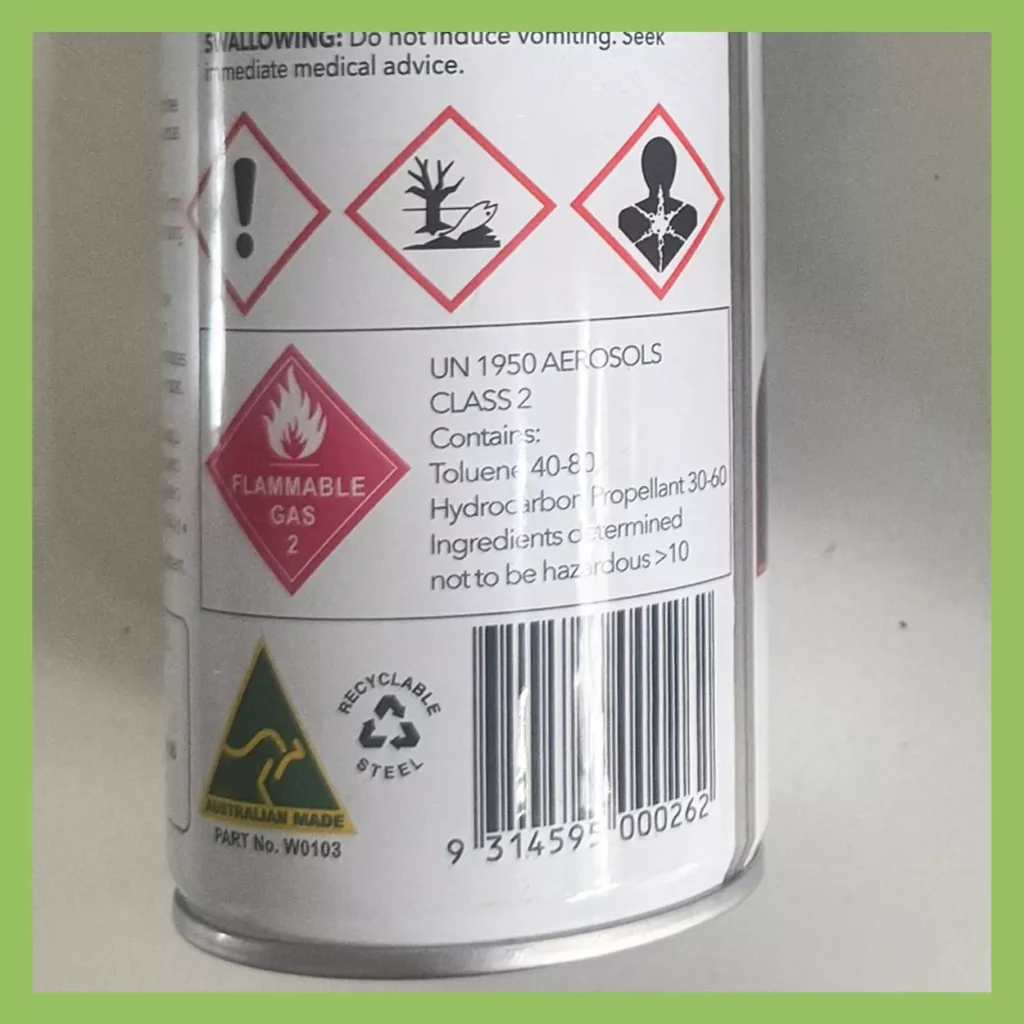
Picket Fence
The bars run vertically, like a fence. This is ideal for flat surfaces like boxes or cartons.
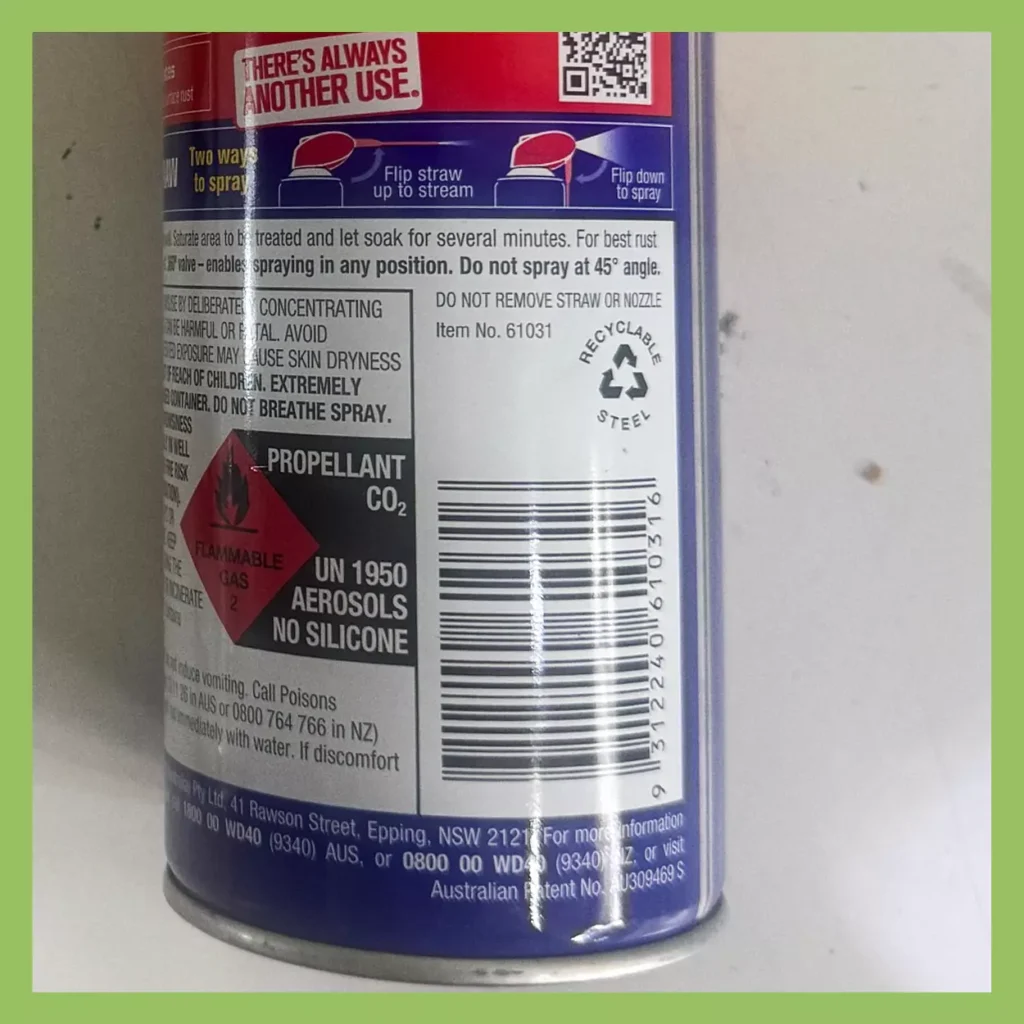
Ladder
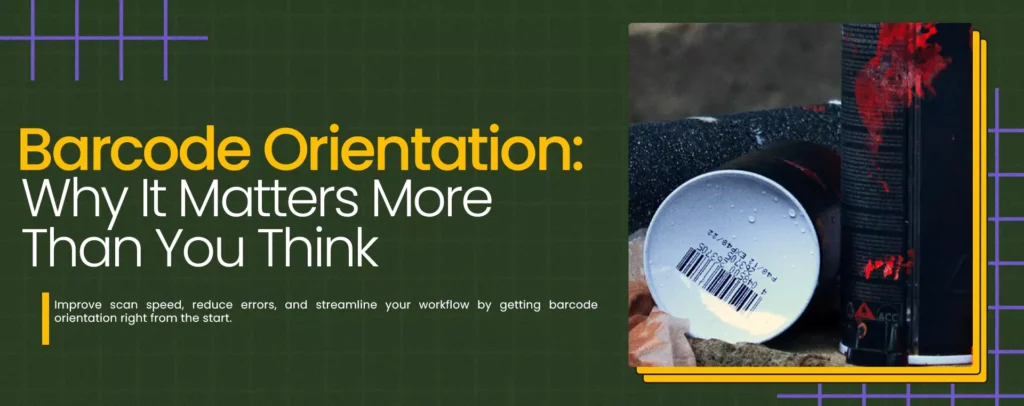
The bars run horizontally, like rungs of a ladder. This is better for round or curved packaging like bottles and spray cans.
It might seem like a small design decision, but it plays a big role in how reliably scanners can pick up the code.
Why Barcode Orientation Matters?
You could have a perfectly printed barcode—but if it’s poorly positioned, that advantage is lost. Here’s what proper orientation helps with:
-
✅ Faster Scanning
- Bad orientation (especially on curved surfaces) often causes delays as workers try to get a clean read.
-
✅ Fewer Errors
- Wrong placement can lead to partial scans or misreads, creating data issues in inventory and logistics.
-
✅ Smoother Workflow
- Barcodes that scan easily speed up packing, dispatch, and point-of-sale processes—no bottlenecks, no backtracking

Flat Packaging
Use picket fence. Place it on the lower right-hand side of the back panel.

Curved Packaging
Use ladder to ensure both ends of the code are visible at once.
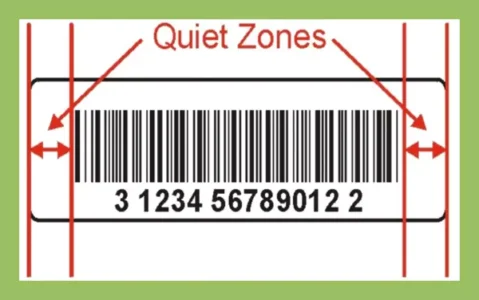
Quiet Zone
Keep space clear around the barcode—no graphics, text, or folds nearby.
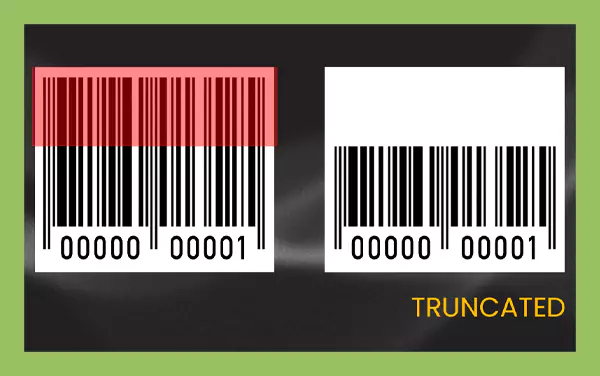
No Truncation
Don’t shorten the barcode’s height just to make it fit. Learn more about it here.
These guidelines ensure barcodes work smoothly across warehousing, retail, and scanning environments.
Quick Tips to Get It Right
Keep these in mind when planning your packaging and labelling:
-
Match the orientation to the surface – flat = picket fence; curved = ladder.
-
Talk to your printer – Orientation should match the print direction for best results.
-
Leave space – Don’t crowd the barcode with design elements.
-
Test real samples – Scan under actual conditions before full rollout.
-
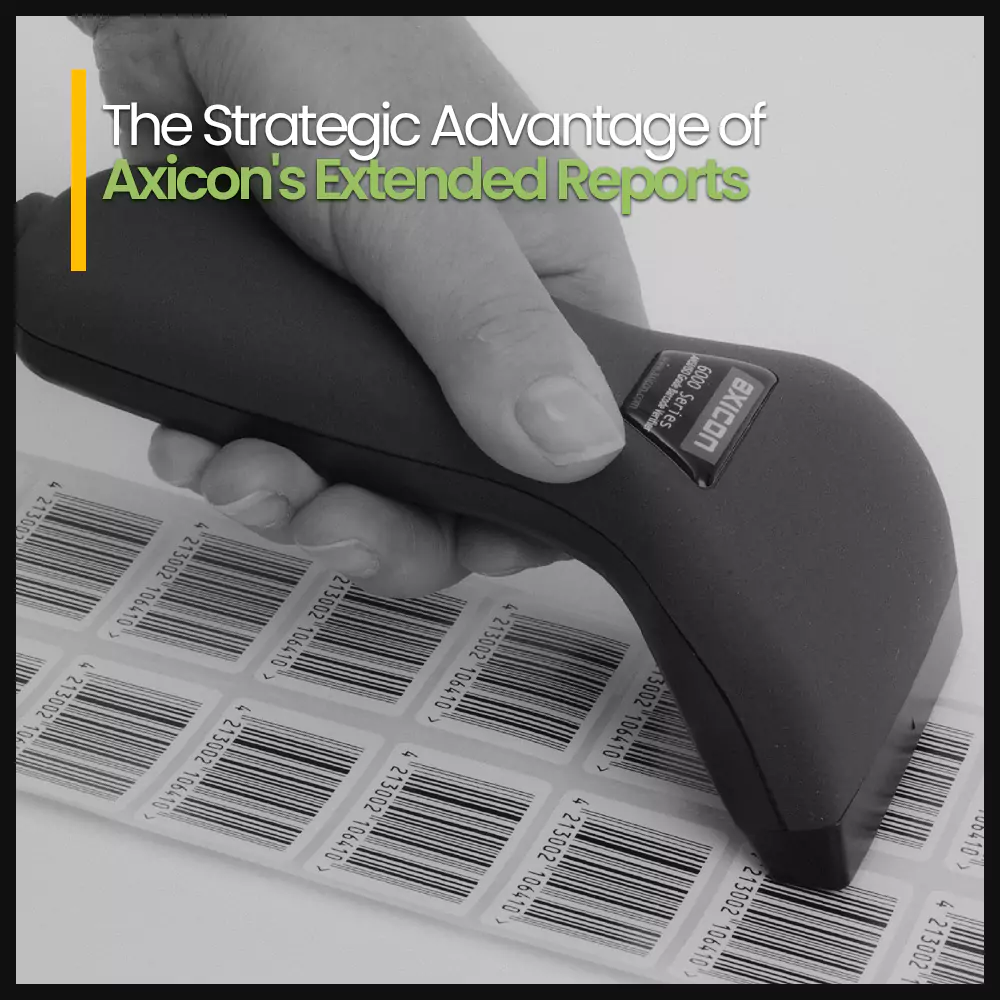
Use verification tools – These help confirm your barcode is scannable and compliant.
Smart Services for a Smoother Warehouse
Need better WiFi? Barcodes not scanning right? Labels running out fast?
At Intermax, we help fix the small things that cause big delays.
- ✅ Wifi Mapping and Installation
- ✅ Warehouse Mobility Solutions
- ✅ Automation Systems
- ✅ Dimensioning Systems
- ✅ Test and Tag
No tech jargon—just the right tools and support to keep your business moving.
Let’s make your warehouse run better Contact Intermax today to learn more!