
What is a Barcode?
Barcodes are everywhere—but are yours working correctly? In this guide, we’ll break down exactly how barcodes function, and why verifying them matters more than ever.
In this blog, we’ll break down what a barcode is, how it came to be, and what types of barcodes are used today to power supply chains, inventory systems, and point-of-sale operations around the world.
What is a Barcode?
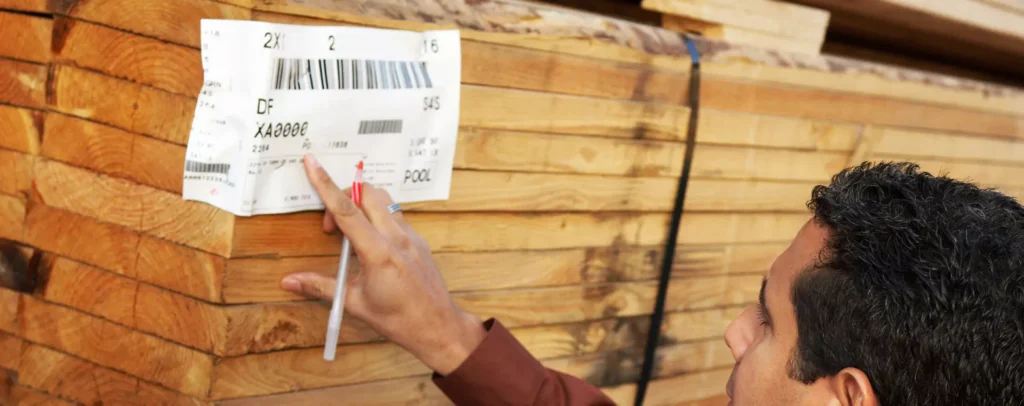
Barcodes are those black-and-white lines you see on almost every product. But they’re more than just lines—they store important information, like a product’s price, batch number, or where it came from.
When scanned, a barcode sends this info straight into a computer system. This helps businesses track products, manage inventory, and avoid mistakes during shipping or checkout.
There are different types of barcodes. Some are simple (like what you see at the supermarket), and some hold a lot more info (like QR codes or logistics barcodes used in warehouses).
A Quick Look at Barcode History
Barcodes have been around longer than most people think. The idea started in 1948, when two university students—Bernard Silver and Norman Joseph Woodland—wanted to make grocery checkout faster.
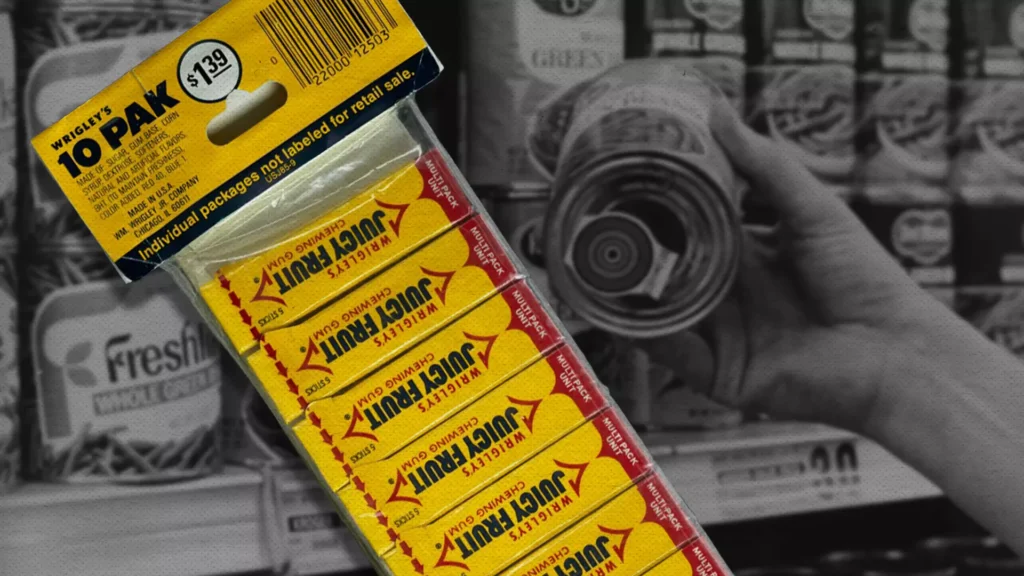
Inspired by Morse code, they created a system using lines and spaces to store information. Their patent was approved in 1952, but it wasn’t until 1974 that barcodes became real-world tools. The first item ever scanned? A pack of Wrigley’s Juicy Fruit gum in an Ohio supermarket—using a scanner made by Datalogic.
That simple scan kicked off a worldwide change.
Common Barcode Types
Barcodes come in two main categories: 1D (one-dimensional) and 2D (two-dimensional). Each is suited to different use cases based on how much information needs to be encoded and the scanning environment.
1. One-Dimensional (1D) Barcodes
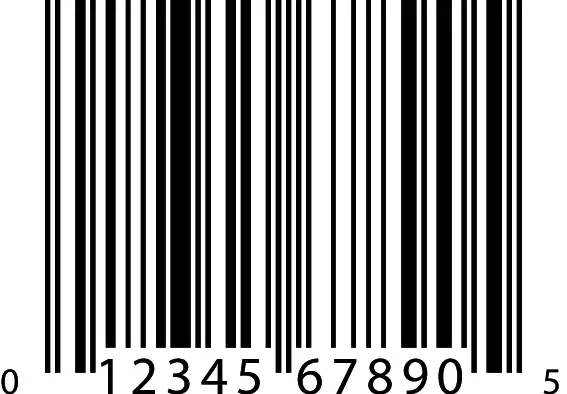
These consist of vertical lines and are the most widely recognised type of barcode.
UPC (Universal Product Code)
Commonly used in retail across the U.S. and Canada.
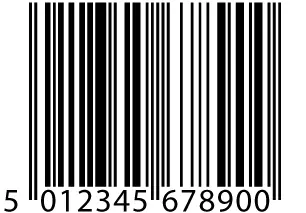
EAN (European Article Number)
Similar to UPC, used internationally.
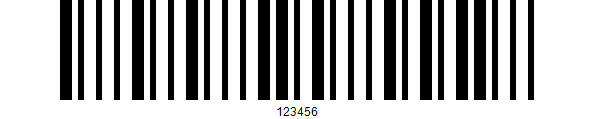
Code 39
Used in manufacturing and defense.
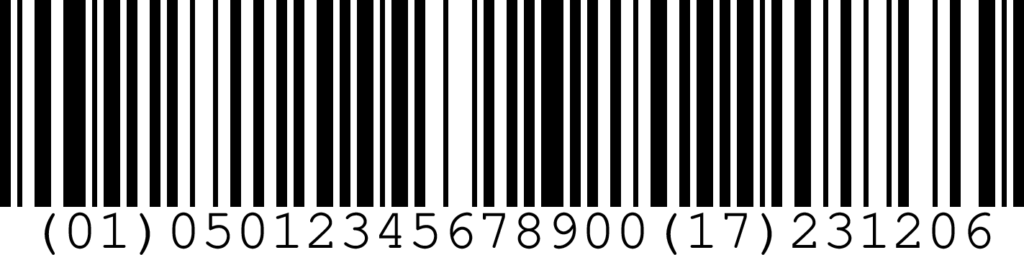
Code 128
Compact and high-density, ideal for logistics and shipping.
2. Two-Dimensional (2D) Barcodes
These use patterns like dots, squares, and hexagons to store more data in less space.

QR Code
Popular for marketing, mobile payments, and web links.
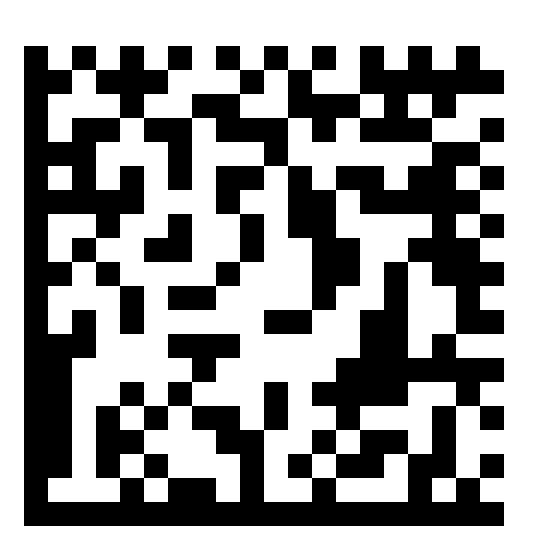
Data Matrix
Used in electronics and medical devices due to its small size.
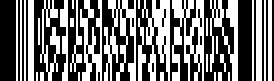
PDF417
Found on identification cards and transport documentation.
Need Help with Printers or Scanners?
Sometimes bad barcodes come from bad equipment.
That’s why our tech partner, Intermax, can help with:
- ✅ Wifi Mapping and Installation
- ✅ Warehouse Mobility Solutions
- ✅ Automation Systems
- ✅ Dimensioning Systems
- ✅ Test and Tag
No tech jargon—just the right tools and support to keep your business moving.
Why Barcodes Matter Today
Barcodes make business faster and more accurate. But if the barcode is printed poorly or doesn’t meet quality standards, it can cause scanning issues—and that means delays, returns, or unhappy customers.
That’s where barcode verification comes in. It’s a way to test the barcode before it hits the shelves, ensuring it meets global standards and works every time.
But none of that works if the barcode is hard to scan or printed wrong.
Check Your Barcode – First One is FREE
Want to be sure your barcode works before sending it to stores or suppliers?
We offer a FREE Barcode Verification Report to help you avoid problems.