
Final Barcode Verification Reports: Key Differences
Navigate the nuances between Interim Reports and Final Barcode Verification Reports—understanding the critical differences!
In modern retail and supply chain management, barcode verification plays a pivotal role in ensuring smooth product tracking and compliance with retailer standards. However, many suppliers misinterpret the difference between an Interim Report and a Final Barcode Verification Report, leading to costly compliance issues and supply chain disruptions.
However, there is a crucial distinction between an interim report and a final product barcode verification report that suppliers must understand to avoid the pitfalls and financial repercussions of non-compliant barcodes.
This blog will help you understand what barcode verification is and why it’s important for businesses of all sizes.
Defining the Differences: Interim vs. Final Reports
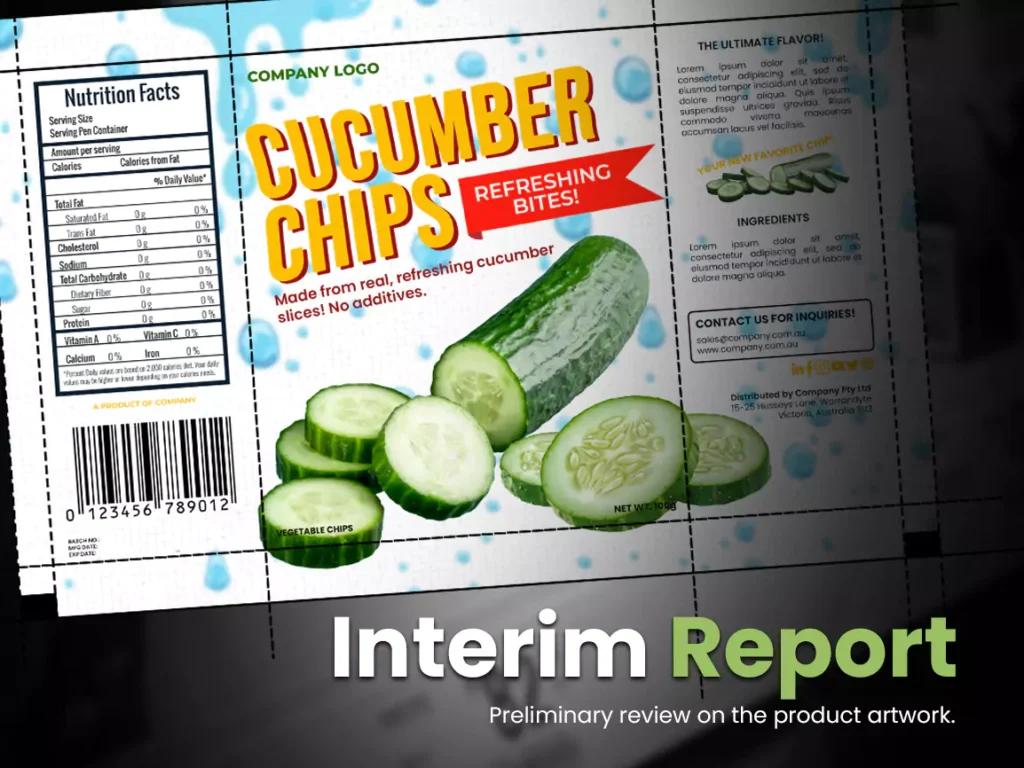
What is Interim Report?
An interim report is a preliminary review conducted on the product’s artwork, often in the prototype stage before full-scale production commences.
It ensures the barcode meets basic specifications, such as:
- ✔ Correct size and proportions
- ✔ Proper number structure and format
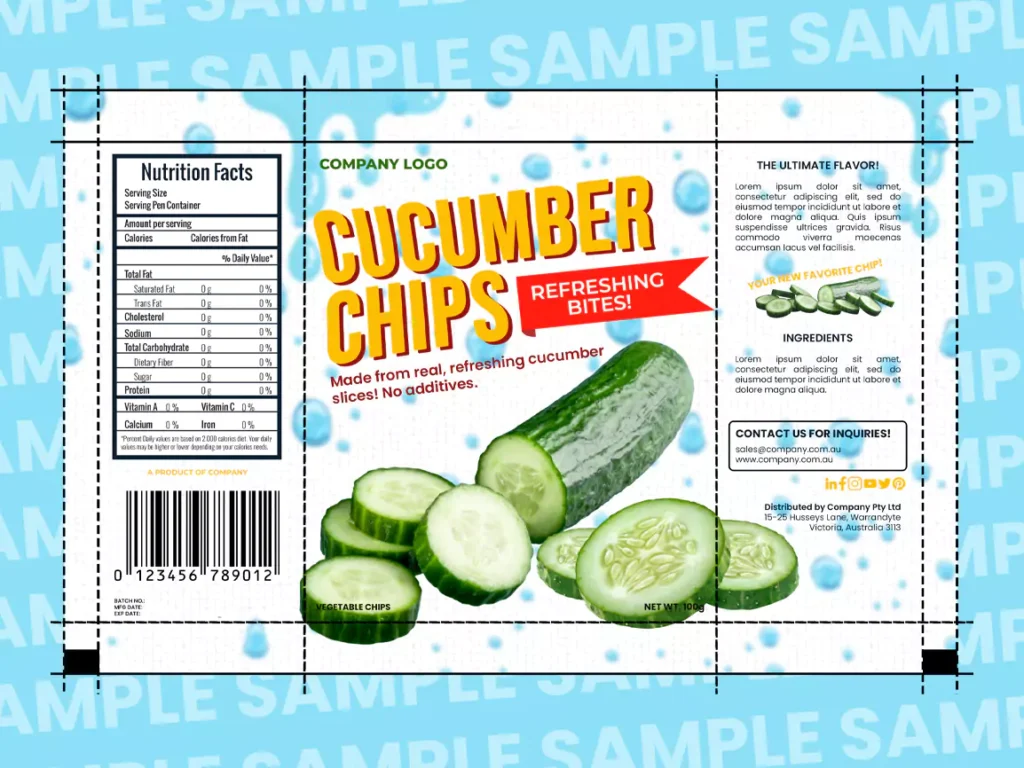
However, an Interim Report does not assess:
❌ Print quality or readability
❌ ISO compliance standards
❌ Ink spread, contrast, or material impact
These factors can change once the barcode is printed, affecting its scannability. That’s why a Final Barcode Verification Report is essential—it verifies the barcode under real-world conditions to ensure error-free scanning and compliance.
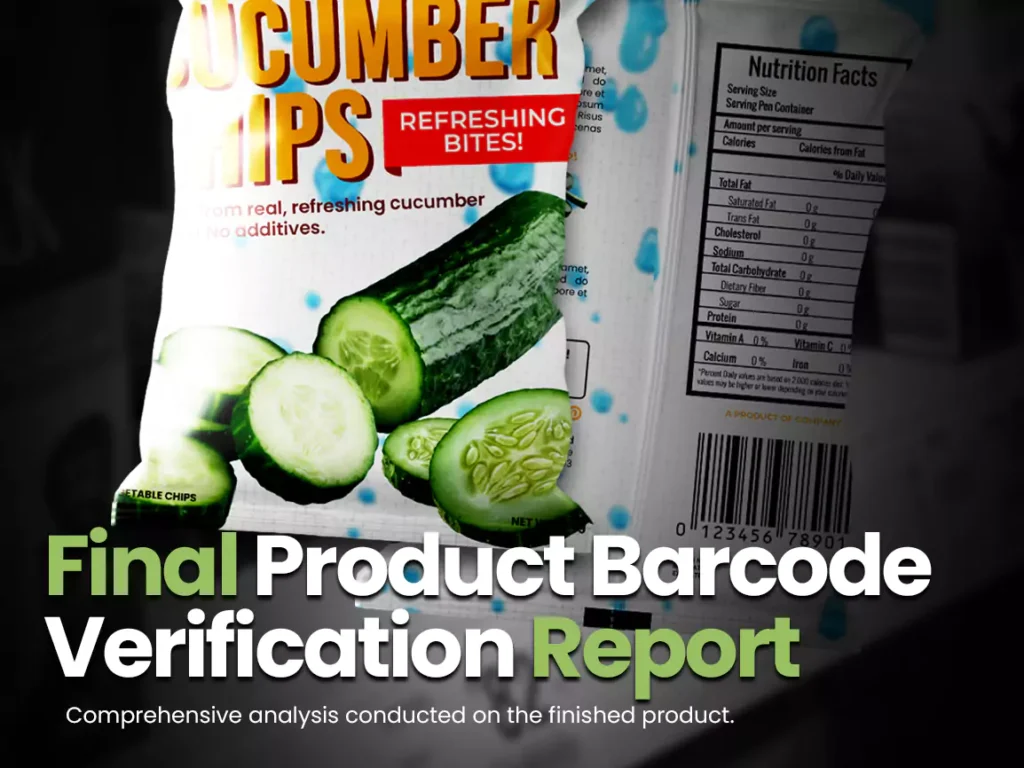
What is a Final Barcode Verification Report?
A Final Barcode Verification Report is a comprehensive analysis conducted on the finished product.
This report assesses the barcode’s print quality against ISO standards including key parameters analyzed:
- ✔ Symbol contrast – Determines barcode readability across different scanners
- ✔ Modulation – Measures clarity between light and dark areas
- ✔ Reflectance – Ensures barcodes are detectable in various lighting conditions
- and more
Essentially, it’s a deep dive into the barcode’s technical performance, ensuring it’s not just compliant on paper but operationally viable in the real world.

The Risk of Complacency: Why Relying Solely on Interim Reports is a Precarious Game
Suppliers might be tempted to take the interim report ‘all-clear‘ as a final assurance. That’s a gamble that could potentially spiral into a logistical nightmare. Here’s why:
- Print Quality Variations – Different printing techniques, material surfaces, or even slight alterations in the production process can lead to disparities in barcode quality. A design that meets criteria on a digital platform might falter when subjected to the physical world’s unpredictabilities.
- Financial Repercussions – Retailers levy stringent penalties for barcodes that fail compliance tests, leading to increased costs—fines, product returns, or forced stock destruction. Considering these consequences, the absence of a conclusive verification report is a financial risk.
- Supply Chain Disruptions – An unreadable barcode can halt the smooth movement of products, causing delays, bottlenecks, and inefficiencies that ripple through the supply chain. In severe cases, retailers might choose to discontinue relations with suppliers of non-compliant barcodes.
- Brand Reputation – In the era of instant reviews and relentless competition, the fallout from faulty barcodes can taint a brand’s reputation, potentially leading to a loss of market share.
Navigating Forward: Strategic Steps for Assurance
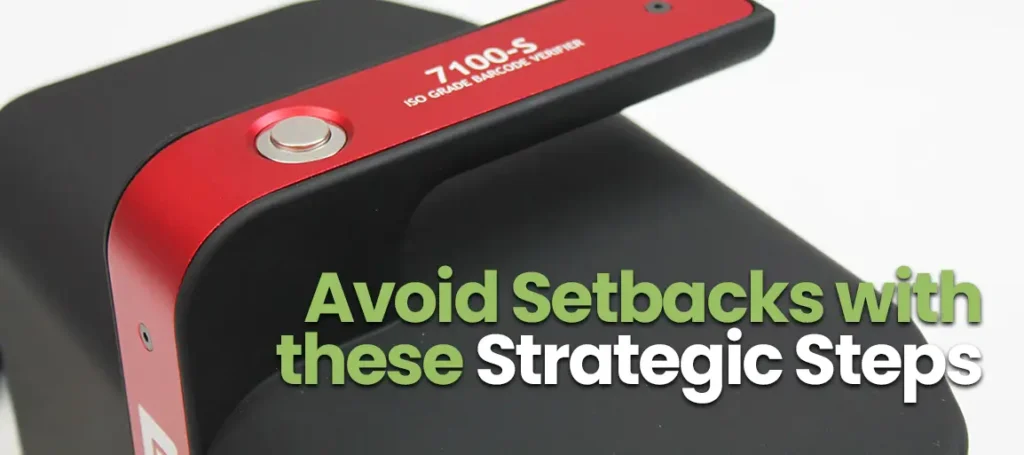
Suppliers might be tempted to take the interim report ‘all-clear‘ as a final assurance. That’s a gamble that could potentially spiral into a logistical nightmare. Here’s why:
- Invest in Comprehensive Verification – Following up the interim report with a full-scale barcode verification based on the final product. This step, while it might seem cumbersome, is preventative medicine against larger issues down the line.
- Leverage Expert Partnerships – Collaborate with experts like Axicon, who specialize in barcode verification and understand the nuances between interim and final reports. These specialists use their expertise and advanced technology to help navigate the complex terrain of barcode compliance.
- Prioritize Continuous Quality Checks – Implement regular quality assessments during the production phase, preventing minute discrepancies from snowballing into costly errors.
The Smart Path to Barcode Compliance
While interim reports are valuable for their immediacy and accessibility, they are the starting blocks, not the finish line, in the race for barcode compliance.
By understanding and respecting the distinction between interim and final product barcode verification reports, suppliers can ensure they uphold their end of the retail bargain: delivering products that are ready to glide through the supply chain, contributing to a seamless and efficient retail experience.