
Banner image with text: 'Avoid Financial Losses with Effective Barcode Verification' and a brief note about preventing supply chain errors, featuring a financial document and pie chart

Avoid Financial Losses with Effective Barcode Verification

Barcodes are a small but mighty part of modern business operations. They streamline inventory management, speed up checkout processes, and enhance overall operational efficiency. However, when barcode quality is compromised, it can lead to costly mistakes that ripple throughout the supply chain.

We’ll explore the financial impact of poor barcode quality and how barcode verification can help businesses avoid these costly errors.
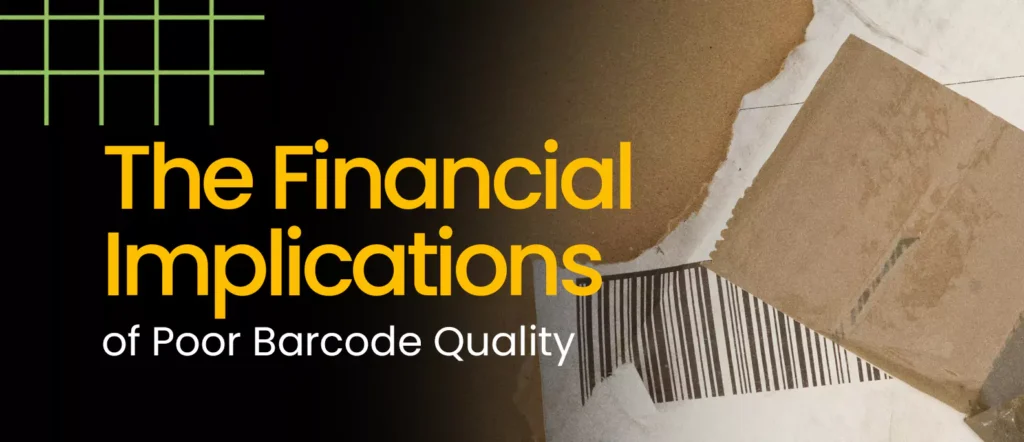
Banner image with text: 'The Financial Implications of Poor Barcode Quality' alongside a damaged barcode on torn cardboard packaging, emphasizing supply chain challenges

The Financial Implications of Poor Barcode Quality

Poor barcode quality can have several negative financial impacts on a business, from lost sales opportunities to increased operational costs.

Here are some key areas where businesses might feel the financial strain:

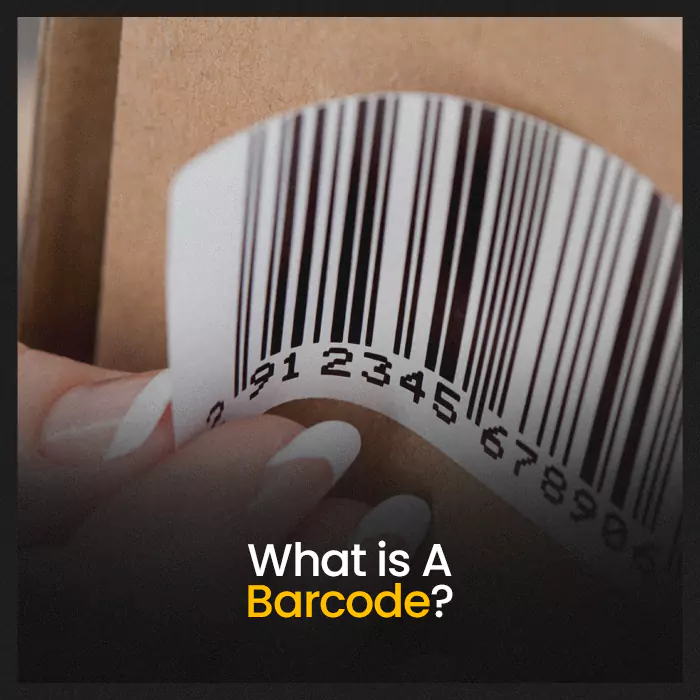
The Impact of Truncation on Barcode Readability
Lost Sales and Revenue

When barcodes are unreadable or scan incorrectly, it can lead to lost sales opportunities.

For example, if a product’s barcode doesn’t scan at the checkout, it can cause delays and frustration for customers, sometimes resulting in abandoned purchases. In some cases, the product might be incorrectly coded, leading to it being heavily discounted or even given away for free. This directly impacts sales and affects customer satisfaction and loyalty.

Operational Inefficiencies and Increased Costs

Poor barcode quality can slow down processes in warehouses, distribution centers, and retail environments. For instance, if a barcode on a shipment is unreadable, it can delay the entire receiving process, requiring manual data entry, which is time-consuming and prone to errors.

These delays can lead to increased labor costs and inefficiencies.

Chargebacks and Penalties

Many retailers and distributors have strict barcode quality requirements. If a shipment arrives with barcodes that do not meet these standards, it can result in chargebacks or penalties. Examples are:

  • Fine suppliers for shipments with non-compliant barcodes, 
  • Refuse delivery

which can quickly add up and reduce profit margins.

Returns and Rework

Barcodes that are not properly verified before going to market can result in products being returned or needing rework.

  • For example, if a barcode does not scan correctly, products may need to be relabeled or repackaged, incurring additional costs for materials and labor. This not only disrupts the supply chain but also damages the company’s reputation with its partners and customers.
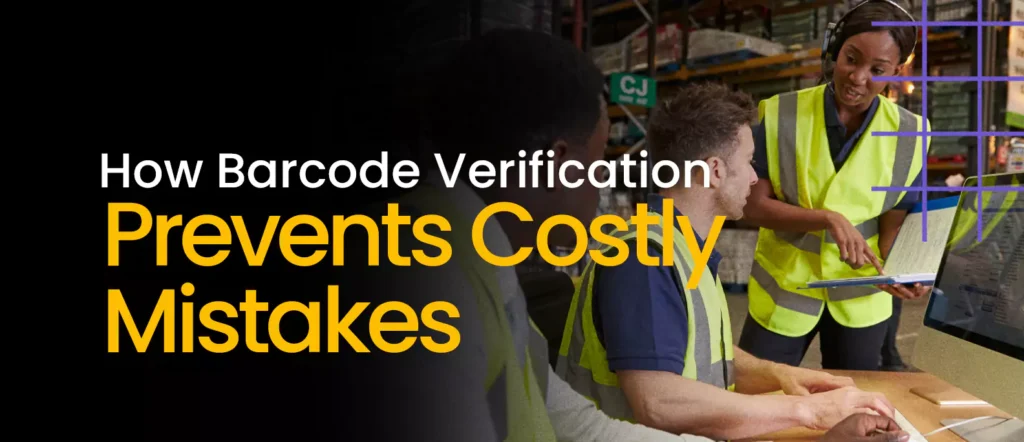
Warehouse team discussing barcode verification to prevent costly mistakes, emphasizing collaboration and accuracy

How Barcode Verification Prevents Costly Mistakes

Barcode verification plays a crucial role in ensuring that barcodes are of high quality and meet industry standards, thus preventing the costly mistakes outlined above.

Here’s how verification helps:
Ensuring Readability and Accuracy

Barcode Verifiers check barcodes for readability, ensuring that they can be scanned successfully across various platforms and environments. By catching issues like low contrast, incorrect sizes, or poor print quality early, businesses can avoid problems at the point of sale or within their logistics operations.

Compliance with Industry Standards

Barcode verification ensures that barcodes comply with industry standards set by organizations like GS1 and ISO. These standards are guidelines that ensure barcodes work well across different systems and locations.

Verifiers assess barcodes against these standards, providing detailed reports that highlight any areas needing improvement, helping businesses avoid fines and penalties.

Reducing Manual Interventions

By verifying barcodes before they reach the market, businesses can significantly reduce the need for manual interventions, such as re-scanning or manual data entry. This not only saves time but also reduces the risk of human error, which can be costly in high-volume operations like retail and warehousing.

Preventing Returns and Chargebacks

Verification helps ensure that barcodes are correct the first time, reducing the likelihood of returns or chargebacks due to poor barcode quality.

  • For example, a verified barcode will meet the scanning requirements of major retailers, preventing costly rejections and keeping products on shelves where they belong.
Preventing Returns and Chargebacks

Smooth transactions are crucial for customer satisfaction, especially in retail settings. Verified barcodes scan correctly, making checkout processes faster and more efficient. This leads to better customer experiences, which can drive repeat business and improve a company’s bottom line.

Truncation is a seemingly small adjustment that can have big consequences for barcode readability and compliance. By understanding the impacts of truncation and taking steps to avoid it, businesses can ensure their barcodes remain scannable and effective across all environments.

Investing in proper barcode verification processes and adhering to industry standards will help protect your business from costly errors and ensure smooth operations.
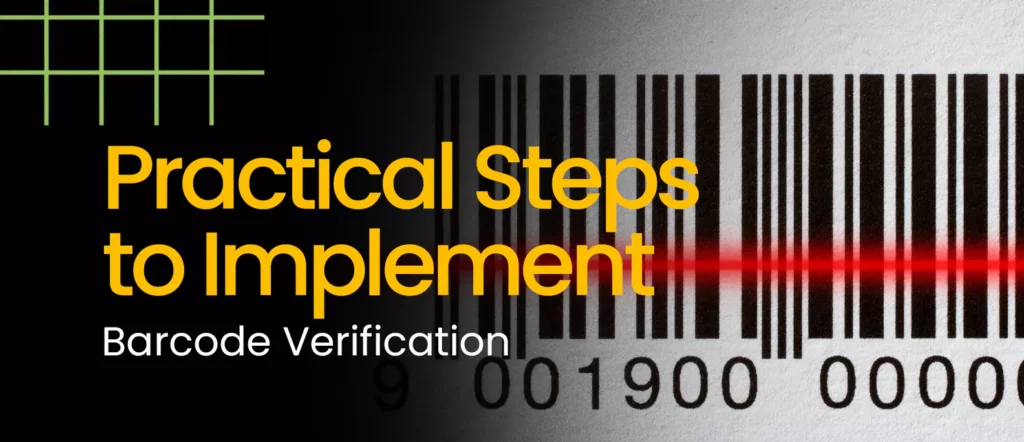
Illustration of a barcode being scanned with a red laser, highlighting practical steps to implement barcode verification

Practical Steps to Implement Barcode Verification

Invest in Quality Barcode Verifiers

Use reliable verifiers, such as those from Axicon, that provide comprehensive assessments of barcode quality. These devices can identify potential issues with contrast, size, and alignment, offering actionable insights for improvement.

Compliance with Industry Standards

Incorporate barcode verification into your regular quality control processes. Testing barcodes at various stages—from initial design to final production—can help catch errors early and prevent them from reaching the market.

Compliance with Industry Standards

Barcode standards and requirements can change over time, so it’s important to stay informed about updates from GS1, ISO, and other relevant organizations. Regularly review and update your barcode verification processes to ensure ongoing compliance.

Train Your Team

Ensure that your team understands the importance of barcode quality and is trained in using verifiers and interpreting their results. A well-trained team can catch potential issues before they become costly mistakes.

The financial implications of poor barcode quality can be significant, impacting everything from sales to operational efficiency. By investing in barcode verification, businesses can avoid these costly mistakes, ensuring that their barcodes are readable, compliant, and reliable.

Whether you’re dealing with retail products, logistics, or manufacturing, proper barcode verification is a crucial step in maintaining smooth operations and protecting your bottom line.
For expert advice and reliable barcode verification, Intermax is here to help you every step of the way.
Contact us today to ensure your barcodes meet the highest quality standards and keep your operations running smoothly.
Previous Post
Understanding Truncation and How to Prevent Barcode Errors
Next Post
Overcome Barcode Verification Challenges Effectively